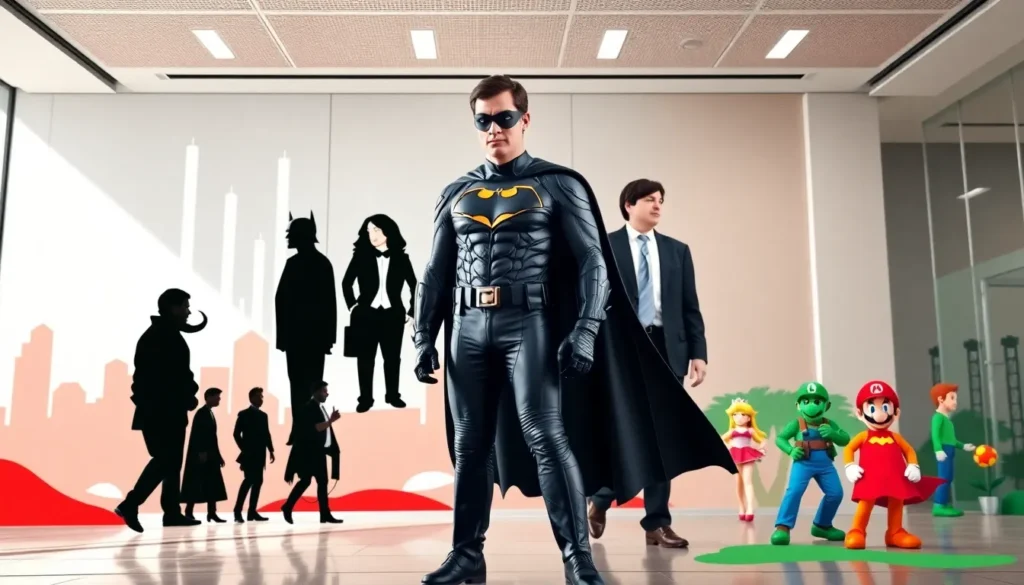

Pop culture merch is more than just a trend; it’s a lifestyle choice that lets fans wear their obsessions proudly. From quirky T-shirts featuring iconic quotes to action figures that would make any collector swoon, these items are the ultimate conversation starters. Who wouldn’t want to show off their love for a beloved show or movie while simultaneously making their friends a tad jealous?
Table of Contents
ToggleOverview of Pop Culture Merch
Pop culture merchandise holds significant value for fans, serving as a means of expression. Items such as quirky T-shirts and collectible action figures not only reflect individual passions but also create connections among enthusiasts. Various genres contribute to this market, including television shows, movies, music, and gaming.
Consumers find specific merchandise appealing based on nostalgia and trend relevance. Limited-edition products attract collectors, making those items highly sought after. For example, the demand for Funko Pop figures has surged, with collectors focusing on unique and exclusive variants.
Merchandise also functions as a social identifier. Fans proudly display their favorite brands and franchises, fostering community among like-minded individuals. Wearing a popular graphic tee or showcasing a beloved character figurine often sparks conversations within various social settings, enhancing social interactions.
Retailers capitalize on this trend by offering diverse merchandise options. Online platforms and physical stores provide a wide selection, allowing fans to find items that resonate with their preferences. Promotions and collaborations often expand merchandise offerings, further engaging fans and consumers.
Market trends indicate that pop culture merch continues to evolve. New releases align closely with contemporary trends, ensuring that items remain relevant and desirable. As franchises grow in popularity, the fan base increases, creating a cycle that keeps merchandise in high demand.
Ultimately, pop culture merch represents more than just products; it symbolizes connection, identity, and shared experiences among fans.
Popular Categories of Pop Culture Merch
Pop culture merchandise spans a variety of categories, catering to diverse fan interests and tastes. Each category offers unique ways for fans to engage with their favorite franchises.
Apparel and Clothing
T-shirts, hoodies, and hats top the list of apparel options. Fans often choose these items to showcase their loyalty to specific shows, movies, or bands. Unique graphic designs or quotes capture attention and spark conversations. Comfort and style make these pieces desirable for everyday wear. Retailers frequently release limited-edition items, enticing collectors and casual fans alike. Choosing the right size and fit adds to the appeal, ensuring fans feel good while sporting their favorite brands.
Collectibles and Toys
Collectible figures and toys play a vital role in the pop culture merchandise landscape. Fans seek items like action figures, Funko Pops, and trading cards to enhance their collections. Many limited-edition releases create hype among enthusiasts. For instance, exclusive convention items often sell out quickly, highlighting the demand. These collectibles serve not only as display pieces but also as conversation starters among fans. The joy of unboxing, discovering rare finds, and connecting with others in the community enhances the overall experience.
Home Decor
Home decor items allow fans to personalize their spaces with character. Posters, wall art, and themed bedding reflect individual tastes and interests. Decorative items, such as lamps and throw pillows, add flair while showcasing favorite franchises. Fans often use these accents to create immersive environments in their homes. Seasonal or themed merchandise brings excitement and change to living areas. By incorporating these unique pieces, fans can express their enthusiasm for pop culture in every room.
The Impact of Pop Culture Merch on Fans
Pop culture merchandise influences fan experiences significantly. Many fans find community and connection through their favorite items.
Community and Fandom
Pop culture merchandise fosters community among enthusiasts. Sharing collectibles creates bonds among fans at events and online forums. Fans often engage in conversations about their most cherished items, strengthening their sense of belonging. Merchandise serves as a visual representation of fandom, making it easier for individuals to connect with others who share similar interests. Common interests lead to friendships, whether through social media or in-person gatherings. Collectors frequently help each other track down rare items, enhancing camaraderie within fan communities. Retailers embrace this trend by developing exclusive collaborations and hosting fan-centric events that cater to these passionate groups.
Nostalgia and Sentimentality
Nostalgia drives many purchasing decisions related to pop culture merch. Fans often seek items that remind them of their favorite childhood shows or iconic movies. The emotional connection ties fans to their beloved franchises, sparking joy and fond memories. Limited-edition products, such as retro toys and vintage apparel, appeal to collectors looking to revisit their past. Sentimentality guides consumers toward items that symbolize cherished experiences, like attending a concert or watching a movie premiere. Retailers capitalize on this nostalgia by reissuing old products or creating new lines inspired by classic entertainment. Ultimately, these merchandise offerings not only celebrate beloved pop culture moments but also evoke feelings of happiness and connection.
The Role of Social Media in Pop Culture Merch
Social media profoundly influences how fans discover and engage with pop culture merchandise. Platforms like Instagram, Twitter, and TikTok enable brands and collectors to showcase items, instantly connecting with a broader audience. Hashtags related to specific franchises or events create visibility, making it easier for enthusiasts to find their desired products.
User-generated content significantly boosts merchandise appeal. Fans often share photos and videos of their collections, fostering a sense of community. This sharing encourages others to purchase similar items, amplifying brand awareness and engaging potential customers. Influencers also play a crucial role by highlighting popular merchandise through unboxing videos, style guides, or themed content.
Trends can emerge rapidly due to viral posts. An unexpected surge in demand might arise from a popular meme or endorsement from a celebrity, leading to limited-edition releases selling out quickly. Retailers actively monitor social media for these trends to stay ahead of the market and respond with timely offerings.
Interactivity enhances the shopping experience. Followers can participate in polls and discussions about upcoming products, influencing production choices. This direct feedback loop between consumers and brands nurtures loyalty and makes fans feel invested in the merchandise.
Lastly, social media often serves as a marketplace. Many brands utilize platforms to sell directly to consumers, streamlining the purchasing process. Collaborative ventures with creators or other brands showcase unique items, attracting both dedicated fans and casual buyers. Engagement through social media transforms the landscape of pop culture merchandise, fostering connections and driving sales in unprecedented ways.
Pop culture merchandise has become an essential part of fan culture. It provides a unique way for individuals to express their passions and connect with like-minded enthusiasts. The variety of products available—from stylish apparel to collectible treasures—offers something for everyone.
As nostalgia and trends continue to shape consumer preferences, the significance of pop culture merch will only grow. Social media’s role in this landscape enhances community engagement and drives demand, making it easier for fans to find and share their favorite items.
Ultimately, pop culture merchandise isn’t just about ownership; it’s about identity, connection, and the shared experiences that bring fans together.