
Ever found yourself staring intently at an action figure or a limited edition vinyl, heart racing faster than a kid in a candy store? Welcome to the world of pop culture collectibles, where every item tells a story, sparks nostalgia, or simply makes your inner geek do a happy dance. Whether it’s a classic comic book that takes you back to rainy afternoons or a shiny collectible card that could fund your next vacation, there’s something undeniably charming about these treasures. In this guide, we will explore the fascinating evolution, diverse categories, and essential tips for navigating the vibrant landscape of pop culture collectibles. So grab your favorite limited edition mug and let’s immerse.
The Evolution of Pop Culture Collectibles
Pop culture collectibles have come a long way from their humble beginnings. Initially, items like trading cards and comic books were considered mere novelties or toys. Who would have thought that years later, these items would command prices as high as a fancy sports car? From the golden age of comic books in the 1930s to the toy crazes of the ’80s, such as Transformers and G.I. Joe, collectibles have continuously evolved. With the rise of the internet, particularly platforms like eBay, collectors can now connect, share, and sell like never before.
Looking back, it’s fascinating how our perceptions have changed. Today’s collectibles often reflect cultural phenomena, whether it’s the surge of Funko Pop figures inspired by beloved characters or vintage sneakers that signify status and style. The digital age has birthed virtual collectibles too, like NFTs, which have ignited a new wave in collectors’ communities. While the formats might have shifted, the essence remains intact: these items possess personal and cultural significance, weaving together communities, memories, and passions across generations.
Popular Categories of Collectibles
When it comes to pop culture collectibles, the options can feel as endless as a binge-worthy Netflix series. Here are some popular categories that aficionados often jump into:
- Action Figures and Toys: From superheroes to movie icons, action figures dominate collectible shelves everywhere. The nostalgia they bring can evoke childhood memories with just a glance.
- Comics and Graphic Novels: These have remained steadfast in popularity, drawing fans wanting both vintage and contemporary editions. The thrill of finding a pristine copy of a favorite issue? Unmatched.
- Vinyl Records: With the resurgence of vinyl, collectors are once again spinning the classics. Both the sound quality and the striking album art contribute to their allure.
- Video Games and Consoles: Retro gaming has taken the scene by storm, with classic titles fetching hefty prices. Remember beating Super Mario? Well, someone’s willing to pay for that nostalgia.
- Cards: Be it baseball, Pokémon, or Magic: The Gathering, trading cards have their own dedicated following. The excitement of opening a new pack and discovering a rare card can’t be overstated.
- Movie Memorabilia: From props to posters, these items not only remind us of iconic films but often grow in value over time, especially if they bear a signature from the actors themselves.
The Role of Nostalgia in Collecting
Nostalgia isn’t just a buzzword: it’s a powerful force behind collecting. For many, the items they collect represent a window to their past, a comfort blanket spun from cherished memories. It’s why someone might scoop up a vintage toy from their youth, feeling that familiar flutter of joy, akin to unwrapping a present on Christmas morning.
Also, nostalgia often compels people to relive their favorite pop culture moments. Think of the retro merchandise from shows like “Friends” or “The Fresh Prince of Bel-Air”, collectors aren’t just buying items: they’re investing in their personal histories. This can elicit feelings of belonging and identity, connecting individuals to the eras and cultures that shaped them.
In a world that constantly changes, these tokens provide solace and a sense of continuity. They tell stories, carry emotions, and serve as reminders of simpler times, proving that collecting isn’t just about ownership: it’s about sentiment.
Identifying and Valuing Collectibles
Maximizing a collection’s worth can be thrilling yet daunting. To begin identifying collectibles, do ample research. Familiarize yourself with price guides, online marketplaces, and collector forums to glean insights into current market trends. Websites like Beckett for trading cards or GoCollect for comics offer specific data on valuation.
Another essential aspect is condition. The value of collectibles can fluctuate significantly based on their physical state. Items stored properly, away from moisture and sunlight, are worth more than those showing signs of wear and tear. Grading services can assess items professionally, like PSA for cards or CGC for comic books, ensuring you receive a recognized value.
Also, rarity plays a crucial role. The fewer items available in circulation, the more desirable they become. Limited editions or exclusive figures often get the buzz and carry premium prices. Keep an eye on annual conventions or releases, these moments can introduce significant items into the marketplace, impacting their value over time.
Where to Buy and Sell Pop Culture Collectibles
Navigating the world of buying and selling pop culture collectibles can be an adventure. Online platforms have democratized access: websites like eBay, Mercari, and Etsy offer vast inventories, beckoning collectors at every turn. Each of these platforms holds unique opportunities, allowing buyers to find treasure from the comfort of their couches.
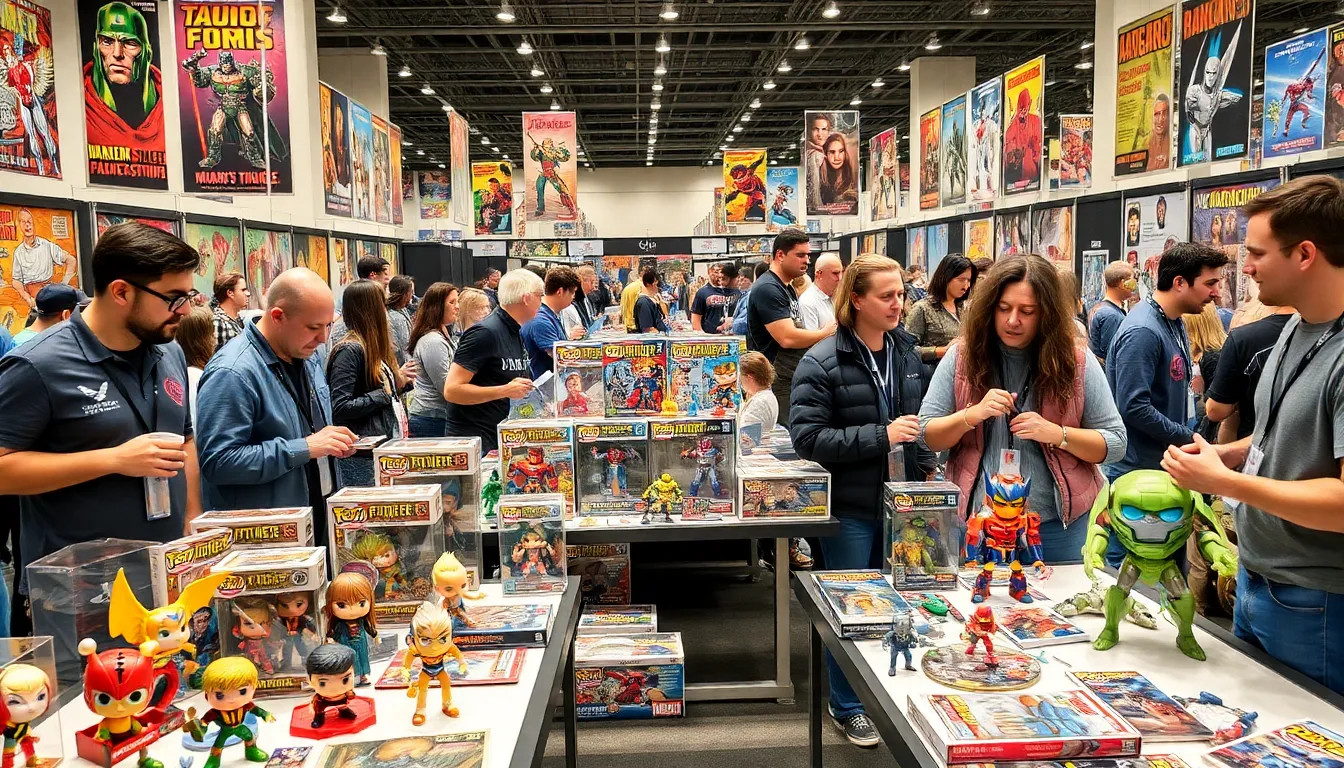
For those leaning toward physical stores, comic shops, antique malls, and specialty toy stores often showcase collectibles. Events such as conventions or flea markets can present fantastic opportunities to haggle for rare finds.
Caring for Your Collection
Once collectors have carefully curated their trophies, preservation is vital. Factors like humidity and temperature can wreak havoc on collectibles. Glass display cases and protective sleeves for cards or comics help shield against dust and damage. Ensuring items are properly stored can prevent depreciation in value, making it worth the investment.
Also, it’s wise to regularly inventory the collection. Keeping track of purchases, sales, and current values aids in understanding how the collection grows over time. Remember, each collectible tells a part of its owner’s story: taking care of it ensures those tales remain vibrant for future generations.
Future Trends in Pop Culture Collectibles
As we gaze into the future, it’s clear that pop culture collectibles will continue to evolve. With technology advancing at breakneck speed, virtual collectibles are becoming more mainstream with the rise of NFTs. Projects like NBA Top Shot allow fans to own unique digital moments, creating a bridge between traditional and digital collecting.
Besides, the resurgence of ’80s and ’90s nostalgia means toys, video games, and comics from those decades will likely remain in high demand.
Social media platforms and online communities will be at the forefront of shaping trends, where enthusiasts share collections and engage in trading, so connected by shared passion.