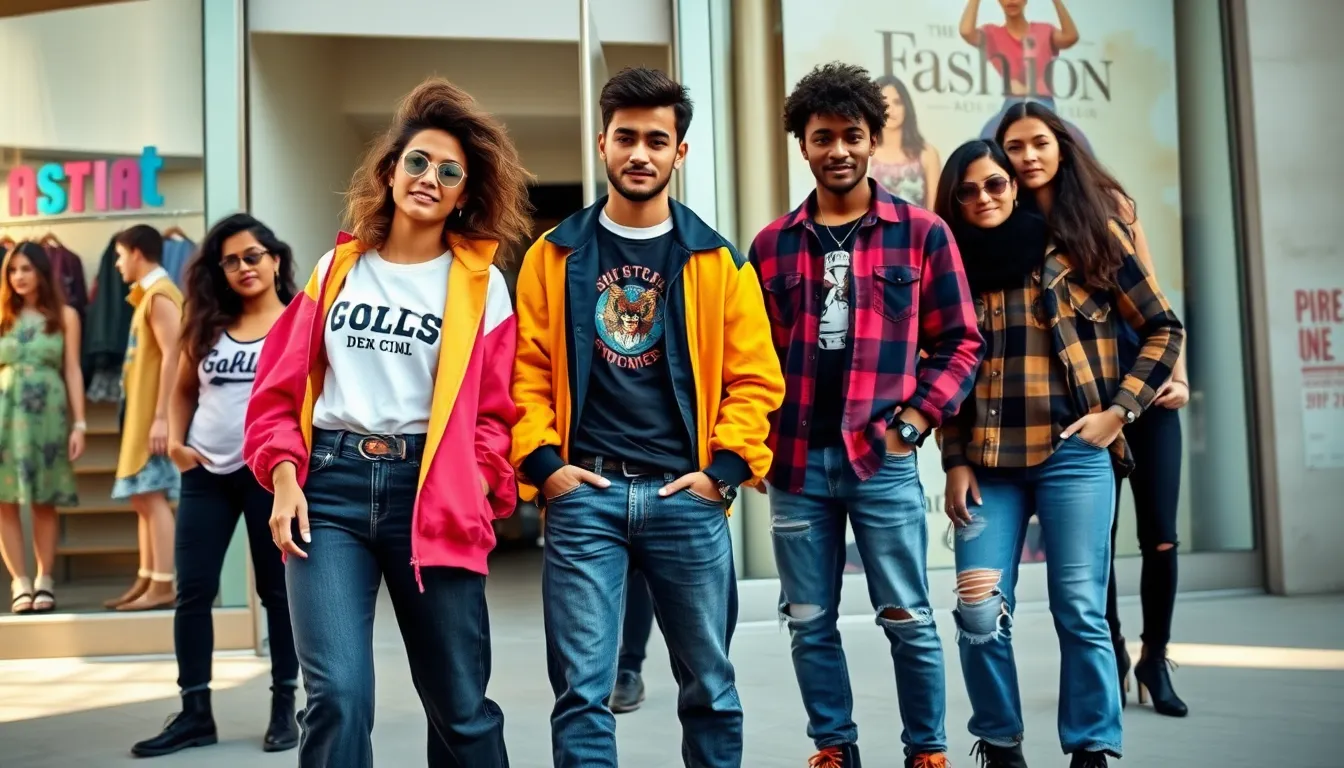

In a world where clothes speak louder than words, pop culture clothing serves as a vibrant tapestry woven from threads of society’s obsessions. Imagine walking down the street and seeing someone in a vintage band tee that tells a story, or perhaps a pair of high-waisted jeans that pay homage to a nostalgic era. It’s not just fashion: it’s a living chronicle of our times. The storefronts reflect not just trends but cultural zeitgeists, which can make one wonder: Are we the ones wearing the clothes, or are the clothes wearing us? Strap in as we explore how pop culture clothing evolves, influences our wardrobes, and even shapes our identities.
The Evolution of Pop Culture Clothing
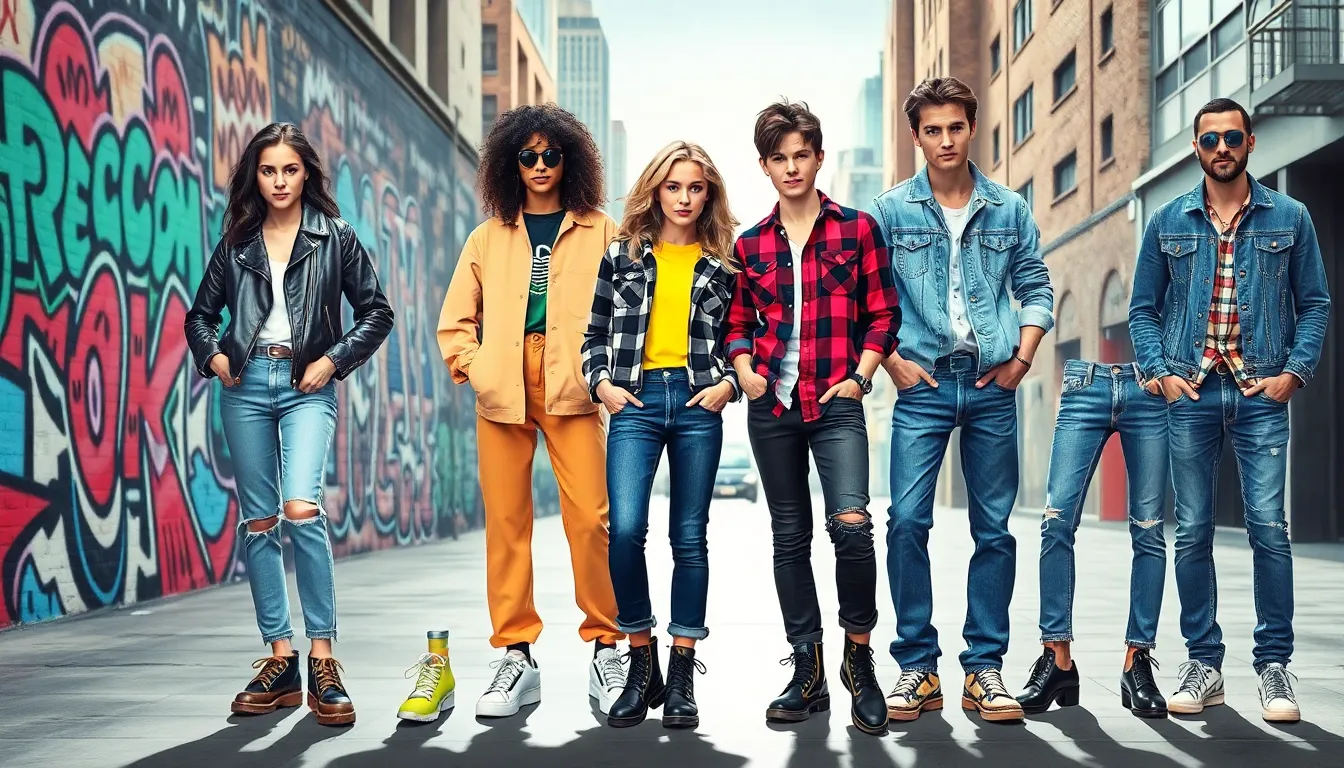
Pop culture clothing has undergone a fascinating evolution over the decades. In the 1950s, the rise of rock ‘n’ roll brought with it a rebellious sense of style. Teenagers embraced leather jackets and ripped jeans as a statement against conformity. Fast forward to the 1980s, and neon colors and oversized silhouettes dominated the scene, championed by icons like Madonna and Prince. Their eclectic styles were loud, bold, and impossible to ignore.
Throughout the years, fashion has mirrored societal changes. The 90s saw a shift toward grunge and streetwear, thanks to bands like Nirvana. Meanwhile, the early 2000s introduced a wave of celebrity culture, with stars like Britney Spears and Justin Timberlake defining the denim-on-denim look. Each era didn’t just bring clothing but a lifestyle, a reflection of social dynamics, music preferences, and film influences. Today, pop culture clothing continues to evolve, embracing diversity and sustainability, as the world becomes increasingly interconnected.
Major Influences on Style Trends
Iconic Fashion Moments in Pop Culture
Fashion is often defined by moments that leave a lasting imprint. Who could forget Jennifer Lopez’s stunning green Versace dress at the 2000 Grammys? This dress didn’t just turn heads: it sparked the creation of Google Images. Pop culture can transform a simple outfit into an emblem of identity, often leading fans to emulate their favorite stars. When fashion meets a cultural phenomenon, styles emerge that have the power to shape entire generations.
The Role of Music in Fashion
From punk rock to hip-hop, music has always been a driving force behind style choices. Artists like Kanye West don’t just release chart-topping hits: they redefine fashion. With every album, there’s a new collection, blurring the lines between what is worn and what is performed. Cities like New York and Los Angeles often act as trend incubators where musical influences and clothing collide, creating unique signatures that fans eagerly absorb.
Television and Film Impact
Television shows and films similarly impact clothing preferences. Think about the impact of “Friends” on the oversized sweater trend or how “Sex and the City” popularized designer labels. Characters become fashion icons, making their wardrobes coveted. The influence often stretches beyond what’s on-screen, as viewers recreate entire looks for daily wear. This phenomenon showcases how intertwined pop culture and fashion truly are.
Social Media and Fashion Trends
In today’s digital age, social media platforms have revolutionized how fashion trends emerge and spread. Platforms like Instagram and TikTok act as stages where influencers showcase their styles, often leading to viral trends overnight. One day, it’s all about oversized blazers, and the next, it’s high-waisted shorts paired with combat boots. It’s a fast-paced world where creativity meets global reach, and trends can branch out from one corner of the globe to another in mere minutes.
Online communities, hashtags, and challenges play pivotal roles in shaping trends. Users no longer just passively consume: they actively participate in a dialogue around fashion. Whether it’s hailing thrifting as the new black or sharing DIY tips, the interest in clothing is palpable. So, consumers hold more power than ever, influencing brands as they scramble to keep up with the latest trends that emerge on social media. The feedback loop is instantaneous, fostering an environment where fashion is consistently evolving.
Sustainable Practices in Pop Culture Clothing
Sustainability has taken the fashion world by storm, becoming high on the agenda for both consumers and designers alike. The increasing awareness of environmental issues has led to a demand for sustainable practices in pop culture clothing. Brands are now making strides to ensure that their production processes are mindful of the planet, sourcing ethical materials and adopting fair labor practices. This shift is not merely a trend but a cultural moment reflecting a growing concern for the environment.
Many celebrities advocate for sustainable fashion, acting as powerful conduits for change within the industry. By donning outfits made from recycled materials at high-profile events or championing ethical brands, they showcase that style doesn’t have to come at the cost of the Earth. As consumers become more discerning about their purchases, many have begun supporting thrift stores and sustainable lines, further shaping the narrative of pop culture clothing. Traditional fashion paradigms are evolving to include a focus on sustainability, eventually redefining what it means to be fashionable.
Future of Pop Culture Fashion
The future of pop culture fashion is vibrant yet uncertain. With technology advancing rapidly, we may soon see the rise of virtual reality fashion shows and digital clothing, as augmented reality becomes more accessible. Imagine wearing clothing that can change styles based on mood or events, where creativity knows no bounds.
At the same time, a newfound appreciation for craftsmanship and authenticity is emerging. Consumers are likely to continue to favor brands that tell a story, reflecting their values and commitment to sustainability. In a world that’s increasingly diverse, fashion will likely embrace inclusivity, representing voices and cultures that have traditionally been marginalized. As pop culture evolves, so too will the styles that arise from it, promising an exciting and unpredictable journey ahead.