
Pop culture flashbacks are like time machines for the soul, whisking us back to the days of neon leg warmers, boy bands, and blockbuster movies that defined generations. Who doesn’t love a good nostalgia trip? Whether it’s the catchy tunes from the ’90s or the iconic TV shows that kept us glued to our screens, these moments shape our collective memory and spark laughter and joy.
Table of Contents
ToggleDefining Pop Culture Flashbacks
Pop culture flashbacks represent moments that evoke nostalgia, connecting individuals to past experiences tied to fashion, music, and film. These memories shape cultural conversations and highlight collective identities.
Historical Context
Pop culture flashbacks often trace their roots to specific decades, particularly the 1960s through the 1990s. The 1980s featured bold fashion choices, relatable sitcoms, and breakthrough films. Music icons like Madonna and Michael Jackson dominated this era, leaving lasting impressions on fans. Each decade contributes distinct characteristics that evoke vivid nostalgia. Societal shifts, economic changes, and historical events influenced these cultural markers, creating memorable snapshots in time.
Modern Relevance
Currently, pop culture flashbacks play a significant role in media and entertainment. Retro-themed television shows and movies draw viewers seeking familiarity. Streaming platforms curate classic content, allowing easy access to cherished films and series. Social media amplifies these experiences, with platforms dedicated to sharing nostalgic moments. Young audiences engage with vintage styles, demonstrating the ongoing influence of past trends. In this way, memories from earlier eras continue to connect generations, forging bonds over shared cultural experiences.
Iconic Moments in Pop Culture
Iconic moments in pop culture serve as significant markers of cultural identity and shared experiences. These instances capture the essence of their time and resonate deeply with audiences.
Movies That Shaped Generations
Film has always played a crucial role in influencing cultural trends. Classics like “Star Wars” (1977) introduced groundbreaking special effects and storytelling techniques. “The Breakfast Club” (1985) represented teenage angst and brought together diverse characters, connecting with viewers on a personal level. “Titanic” (1997) combined romance and tragedy, providing a cinematic experience that captivated millions. Each of these films left a lasting impact, shaping the way stories are told and consumed.
Television Classics Worth Remembering
Television has created unforgettable experiences that resonate even today. “Friends” (1994) highlighted the importance of companionship, showcasing relatable life moments and witty humor. “The X-Files” (1993) combined sci-fi and mystery, captivating audiences with its intriguing storylines. “Cheers” (1982) introduced viewers to a welcoming pub atmosphere, emphasizing friendship and laughter. These series remain popular, offering comforting nostalgia and influencing future shows.
The Evolution of Music Trends
Music trends have transformed significantly over the decades, reflecting societal changes and technological advancements. These shifts highlight how culture intertwines with sound.
Key Genres Through the Decades
1960s rock emphasized rebellion and freedom, giving rise to iconic bands like The Beatles and The Rolling Stones. In the 1970s, disco dominated dance floors, with artists like Donna Summer and the Bee Gees delivering infectious beats. The 1980s brought vibrant synth-pop and new wave sounds, showcased by bands like Duran Duran and solo stars like Prince. Grunge emerged in the 1990s, driven by Nirvana and Pearl Jam, capturing youth angst. Each genre represented the ethos of its time, illustrating how music mirrors cultural sentiments.
Influential Artists and Their Impact
Madonna transformed the landscape of pop music by blending fashion with music, influencing countless artists. Michael Jackson, known as the King of Pop, revolutionized music videos with elaborate storytelling and choreography. Whitney Houston’s powerful voice set a new standard for vocalists, while Tupac Shakur and The Notorious B.I.G. reshaped hip-hop, bringing social issues to the forefront. These artists not only defined genres but also inspired movements, connecting generations through their impactful artistry.
Fashion Trends in Retrospect
Fashion trends serve as a timeline of cultural evolution, embodying the spirit of their eras. Various styles have resurfaced, bringing nostalgia to modern wardrobes.
Styles That Made a Comeback
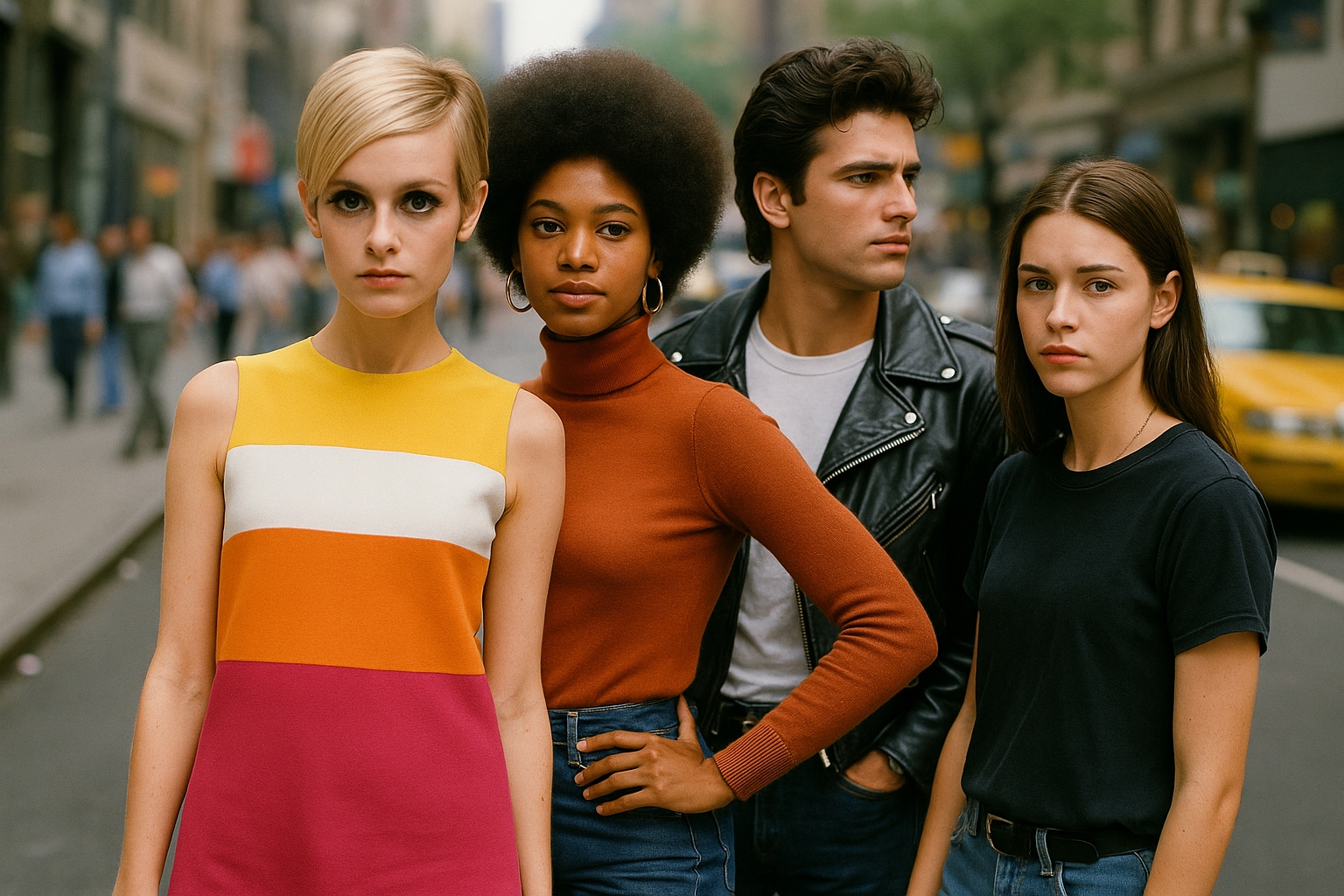
Vintage pieces often gain new life in contemporary fashion. High-waisted jeans, initially popular in the 1980s and 1990s, reemerged as a staple in modern closets. Chunky sneakers, a trend from the 1990s, now dominate streetwear aesthetics. Oversized blazers, frequently seen in 1980s power dressing, appeal to today’s fashion enthusiasts. Tie-dye, once emblematic of the 1960s, continues to captivate younger generations. These revivals demonstrate how past styles can create fresh expressions in today’s fashion landscape.
Iconic Fashion Statements
Numerous fashion statements define pop culture moments across decades. The little black dress, popularized by Coco Chanel in the 1920s, remains a timeless choice for elegance. Crop tops, embraced in the 1990s, became symbols of youthful rebellion and freedom. Scrunchies, once a ubiquitous accessory in the 1980s, now spark joy as they return to hair trends. Punk rock fashion, with its leather jackets and bold studs, captured the 1970s spirit of defiance. Each of these iconic statements reflects cultural shifts, offering insights into societal values during their prime.
Pop culture flashbacks serve as a powerful reminder of the eras that shaped individual and collective identities. They evoke emotions and connections that resonate across generations. As society continues to evolve, these nostalgic experiences remain relevant, influencing modern media, fashion, and music.
The resurgence of retro styles and themes underscores the enduring impact of past cultural markers. Whether through streaming platforms or social media, the ability to revisit these cherished memories fosters a sense of community and shared understanding. Embracing pop culture flashbacks not only celebrates history but also inspires creativity and innovation in today’s cultural landscape.