
Ever wondered why your coffee costs more today than it did last year? Or why everyone seems to be buzzing about stocks one minute and back to budgeting the next? Welcome to the whimsical world of economic trends. These patterns are like the heartbeat of the economy, dictating everything from your shopping habits to government policies. If you’re ready to uncover how economic trends influence our day-to-day lives (and maybe have a laugh or two along the way), keep reading. Grab that coffee: you’ll need it.
Understanding Economic Trends
Economic trends are the long-term patterns observed in the economy over time. These patterns can indicate growth, recession, or stability in various economic indicators like employment rates, inflation, and gross domestic product (GDP). To fully grasp what economic trends entail, it’s essential to recognize that they reflect the overall economic climate of a region or country. Think of trends as seasonal fashion styles: what’s popular today may be out of style tomorrow, but certain classics never go out of fashion, just like underlying economic principles.
When economists talk about trends, they often identify two main types: short-term and long-term. Short-term trends can hinge on seasonal changes, like how pumpkin spice lattes rule the fall while cold brew dominates the summer. Long-term trends, but, often reflect structural changes in the economy, such as demographic shifts or advancements in technology, much like fashion movements that redefine an era.
Importance of Economic Trends
Understanding economic trends is crucial for multiple reasons. For businesses, staying aware of trends informs decisions related to pricing, hiring, and production levels. After all, who wants to have a warehouse full of winter coats in July? Investors also rely heavily on economic trends to decide where to allocate funds. Following the trends can mean the difference between cashing in on a booming market or finding oneself knee-deep in losses.
For consumers, these trends can signal when to make that big purchase, be it a home or a new car. Recognizing a potential dip in the economy could mean waiting a bit longer before indulging in that luxury item. Governments also use economic trends to shape policies. For example, if data shows a significant rise in inflation, it might prompt action to stabilize prices. In short, these trends are not just mere statistics, they are the threads that weave together the economic tapestry of society.
Types of Economic Trends
Economic trends can be classified into several categories based on their nature and effects on the economy. Here are a few types:
- Cyclical Trends – These refer to trends tied to the economic business cycle, expansion leads to growth, while contraction leads to recession. It’s a bit like nature’s seasons: they come and go.
- Secular Trends – Unlike cycles, these are long-term shifts usually lasting over a decade. Think of technological advancements that dominate industries over time.
- Seasonal Trends – These patterns occur regularly based on the calendar, think holiday shopping sprees or summer vacation spikes.
- Leading Indicators – These indicators often change before the economy as a whole changes. Stock market performance is a classic example, leading up to shifts in the broader economic environment.
Analyzing Economic Trends
Analyzing economic trends typically involves quantitative data and qualitative insights. Economists employ various statistical tools, ranging from simple moving averages to more complex econometric models, to interpret data and forecast future trends. Data from government sources, private institutions, and financial markets play a pivotal role in this analysis.
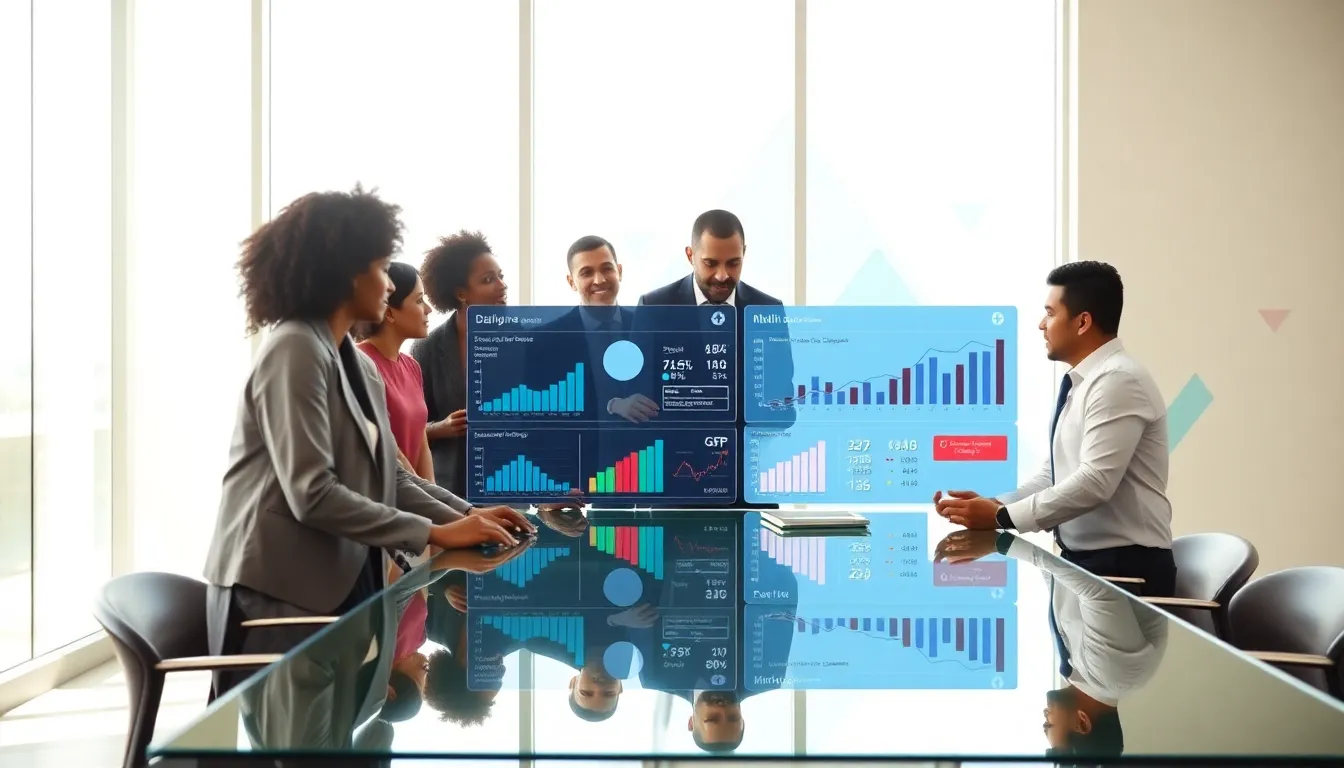
A common approach is to compare historical data against current indicators to spot anomalies or confirming patterns. For instance, if rising unemployment rates accompany a drop in consumer spending, it could indicate a looming economic downturn. Also, visual tools such as graphs and charts help in understanding these trends better, making it easier to communicate findings. Remember: a picture is worth a thousand words, especially when it comes to economic data.
Factors Influencing Economic Trends
Numerous factors influence economic trends, and understanding these variables is key to comprehending the patterns. Some of the major influencers include:
- Government Policies: Changes in tax laws, fiscal policies, and regulations can significantly impact economic activity.
- Global Events: Wars, pandemics, or natural disasters can shift economic focus rapidly, leaving lasting implications.
- Technological Advances: Innovations can disrupt existing industries, altering employment landscapes and productivity levels.
- Consumer Behavior: Preferences and spending habits can either drive demand or precipitate downturns. For example, a sudden inclination toward sustainable products can create an economic shift toward greener markets.
- Capital Markets: Interest rates and stock performance often dictate business investments and consumer confidence.
Future Economic Trends to Watch
As we look ahead, several trends begin to emerge on the horizon:
- Digital Transformation: With ongoing advancements in technology, many industries are becoming more digital-centric, influencing how goods are produced and services are delivered.
- Sustainable Practices: Awareness about climate change is growing, leading to increased demand for sustainable products and practices. This trend is likely to reshape industries from energy to fashion.
- Remote Work: The pandemic taught us that many jobs can be done remotely. This shift will continue to affect real estate markets, urban planning, and lifestyle choices.
- Aging Population: In many developed countries, the aging population will lead to changes in healthcare, retirement, and workforce composition, impacting economic structures overall.